



Ferns are a beautiful and unmistakable plant that thrive in the forests of Maple Ridge. As a plant species that has been around since long before the dinosaurs, it’s always exciting to spot ferns in their natural habitat. Easily recognizable by their unique fiddleheads that unravel into green leafy fronds, ferns are truly fascinating when it comes to how they adapt and reproduce in forest environments.
There are a number of different types of ferns, and for young botanists it can be difficult to tell them apart without a bit of guidance. That’s where this article comes in! In previous posts in this series, we’ve shared how to identify various forest plants, berries, and mosses. In this post, we’ll cover the key distinguishing features of different ferns, why they flourish in Maple Ridge forests, and which common fern species you’re most likely to encounter when you’re out hiking through forests in the area.
What Makes a Fern a Fern?
Ferns are considered to be a historical plant in the botany world. According to the American Society of Ferns, ferns have inhabited the earth for more than 380 million years, although the species of ferns we see today have likely evolved in the last 70 million years.
Ferns are vascular plants which means they have a unique internal system of tissues for transporting water, nutrients, and sugars throughout the plant. This makes them more resilient, helps them grow taller, and allows them to survive in diverse ecosystems. That explains why they’ve been around for so long!
Ferns are also quite distinct in how they reproduce. Unlike many other plants that produce seeds, ferns reproduce in a similar way to fungi by using spores. Spores are tiny, single-celled particles that get released into the air and allow ferns to spread to new places. Actually, if you flip a fern leaf over, sometimes you can see these spores inside rows of fuzzy brown or yellow dots.
Another interesting feature of ferns is that they don’t bloom like most plants do. To grow, they start as tightly wound spirals known as fiddleheads and slowly unroll into their familiar feathery leaves (fronds). Ferns have highly-sensitive leaves that capture sunlight and their waxy coating helps seal in moisture. Below the surface of the soil, they have thick horizontal stems that store nutrients and allow them to quickly regrow after frosts, draughts or forest fires.


Why Ferns Flourish in Maple Ridge Forests
Maple Ridge forests such as the Malcolm Knapp Research Forest make the perfect home for ferns. Because Maple Ridge is located in the heart of BC’s Coast Western Hemlock (CWH) biogeoclimatic zone, its climate is a hotbed for ferns to grow and spread. The local ecosystem provides the ideal mix of continuous moisture, ample shade, and rich soil that ferns love.
Being located within one of BC’s temperate coastal rainforests means ferns and other plants get plenty of rainfall and morning mist. They’re also protected by the upper canopy of tall Douglas-fir, cedar, and hemlock trees which keep the environment shady and humid to prevent ferns from drying out. Ferns also benefit from the forest floor being covered in fallen leaves and trees which help to retain moisture and provide nutrients needed to thrive.

How Ferns Support Local Wildlife
While ferns don’t produce berries or flowers, they do provide local animals, insects and birds with much needed food and shelter, playing a key role in supporting the local ecosystem. In spring, many species of local wildlife such as black bears, deer, and elk snack on the fiddleheads of young ferns as a nutrient-rich food source. Ferns are also home to a range of insects which makes them a feeding ground for foraging birds like wrens and thrushes.
Thanks to their dense overlapping leaves, ferns provide a great shelter for mice, shrews, and small birds. Not only do they protect these animals from extreme weather, ferns also provide a safe place for them to hide from predators. Since ferns shade the soil and help to trap moisture, they also create a damp microclimate that is crucial for amphibians like frogs and salamanders.
Common Ferns You’ll Find in Maple Ridge
Whether you’re walking through the Malcolm Knapp Research Forest or hiking in another local forest in the area, you’ll most likely come across these five native species of ferns:

Western Sword Fern
Just like the name implies, western sword ferns have sharply pointed fronds that look like miniature swords. Easy to spot because they grow in large, circular clumps, they are an evergreen type of fern that retains a green colour and glossy texture through all seasons.

Spreading Wood Fern
The spreading wood fern is deciduous, which means it dies each winter. In the non-winter months though, you can recognize it by its pale green, triangular, jagged leaves and its long stalk at the base.

Lady Fern
Look for lady ferns close to damp trails and marshy areas. You can identify them by their bright green, lacy leaves that curve into a vase shape. They lose their leaves in winter but come back in Spring with blueish-green fiddleheads.

Bracken Fern
Did you know that bracken ferns can grow to be over a meter tall? You’ll likely spot these large ferns along the trail edges or in clearings. Bracken fern fronds grow in separate stocks instead of in bunches like many other fern species.

Deer Fern
Deer ferns thrive in mossy areas and they stay glossy and green all year long. What makes them unique is that they are “dimorphic” which means they have two different types of fronds: flat, leafy fronds close to the ground, and skinny, upright fronds coming up from the centre.

Licorice Fern
This fern gets its name because its roots taste similar to licorice. Most active during winter and spring months, licorice ferns often grow out of the thick moss on trees and logs. They have bright green saw-tooth fronds with pointed ends.
Where You’ll Find Ferns
In the coastal climates of Maple Ridge forest, ferns can be found in a wide range of natural habitats. From the shady forest floor to mossy tree trunks, you’ll discover that ferns have adapted to survive and thrive in many different conditions. Species such as sword ferns and spreading wood ferns are commonly found near the ground where moist, shady areas with rich soil provide ideal growing conditions. Meanwhile, you’ll find bracken ferns in open, sunny clearings, while licorice ferns often grow higher up on mossy trees and rocks. As you explore, look out for ferns along the banks of creeks and rivers, around marshes, and any other forest areas that are cool and damp.

Search for Some Fabulous Ferns Today
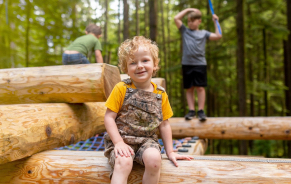
Getting out and exploring our local forests is even more fun when you’re on a mission to find ferns. Our Wild & Immersive forest school programs and camps at the Malcolm Knapp Research Forest in Maple Ridge include plant identification as one of the hands-on activities kids get to experience. So they’re bound to discover and identify the different fern species. Hopefully with the guidance in this article, you can too!