


Spending time outside with your kids is one of the best ways to explore nature and build lasting memories. But hiking with little ones means a bit of extra planning, especially when it comes to outdoor safety. In this post, we’ll walk through why basic first aid matters, which courses are worth taking, and what to pack for a safe and fun hike.
Why First Aid Matters in the Wild
Kids are curious – and hiking brings its share of bumps, scrapes, and the unexpected. Having basic first aid knowledge helps you handle minor injuries early, which can prevent them from turning into bigger issues. From blisters to sprains, being able to act quickly means fewer tears and more time enjoying the trail.
First Aid Courses to Consider
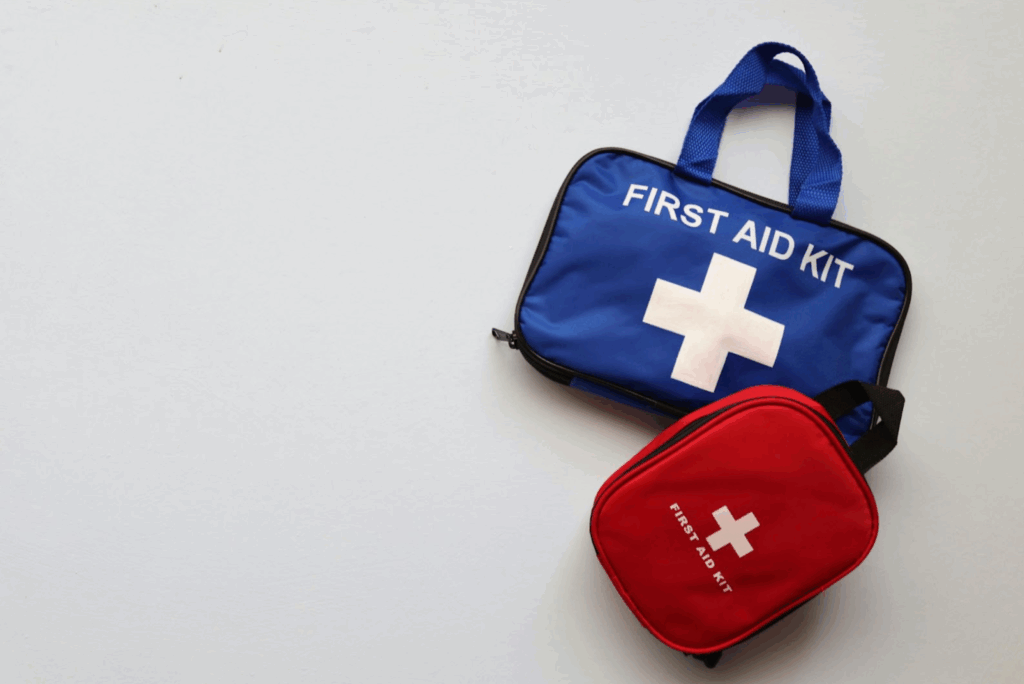
If you spend time outdoors with kids, a first aid course is a smart investment. There are several options depending on where you plan to explore:
Basic First Aid (8 hours)
- Focus: This course covers common injuries like cuts, burns, sprains, and emergencies like cardiac arrest.
- Environment: Great for everyday situations at home, school, or the workplace – especially when help is nearby.
- Learn more → St John Ambulance
Remote First Aid (20 hours)
- Focus: This course covers how to provide care with limited resources and how to make decisions when help isn’t immediately available.
- Environment: Designed for situations where medical help may be delayed, such as rural areas.
- Learn more → Canadian Red Cross
Wilderness First Aid (WFA – 40 hours)
- Focus: This course is geared toward hikers, campers, and outdoor educators. It includes how to treat injuries specific to the backcountry, like hypothermia or animal encounters, and what to do if you need to evacuate someone.
- Environment: Targeted for hikers, campers, climbers, and anyone spending time in backcountry or wilderness areas. Assumes significant delays in access to medical care.
- Learn more → Ridge Wilderness First Aid
Tips for Hiking with Kids

Hiking with kids is about setting the right pace and keeping it fun. Here are a few key tips:
Before You Go
- Pick the right trail. Choose routes that match your kids’ ages and energy levels.
- Check the weather. Avoid hikes during extreme conditions.
- Tell someone. Let a friend or family member know your route and return time.
- Pack the essentials. (See the list below!)
- Review safety rules. Teach your kids to stay on the trail and what to do if they get lost.
On the Trail
- Go at their pace. Take breaks often and don’t push too hard.
- Stay together. Use a buddy system and keep an adult at the back of the group.
- Hydrate and snack often. Even if they say they’re not thirsty, kids need regular water and food.
- Watch your step. Stay alert for uneven terrain and wildlife.
- Respect nature. Keep a safe distance from animals, and teach Leave No Trace principles.
- Have a plan if someone gets lost. Give each child a whistle and explain how and when to use it.
- Limit screen time. Encourage curiosity and connection with the natural world (though there’s no harm in using nature apps for identification).
- Do a tick check. Especially after hiking in tall grass or forested areas.
- Protect from the sun. Reapply sunscreen and keep hats and long sleeves handy.
Wildlife Awareness
Research forests are home to deer, bears, and even the occasional cougar. Most wildlife want nothing to do with humans, but it’s important to stay aware and be respectful.
Here are some tips to keep you safe:
- Make noise: talk, sing, or use a bear bell.
- Stay on marked trails.
- Hike in groups.
- Never feed wildlife.
- Watch for signs like tracks, scat, or claw marks.
- Be extra alert near streams or in dense brush.
Deer
Deer are common in BC and are usually harmless, but they can become defensive – especially if they feel threatened or are protecting a hidden fawn. Give them space and never try to feed or approach them. If you see a fawn alone, leave it be; its mother is likely nearby. If a deer acts aggressively, stay upright, protect your head and neck, and back away slowly.
Bears
Black bears are sometimes seen in our forests, and while most avoid people, it’s important not to surprise them. Hike in groups, make noise as you go, and keep kids close. If you see a bear, stay calm, speak firmly, and don’t run. Back away slowly and have your bear spray ready (if you have it). If the bear charges or continues to approach, use your spray and retreat once it’s safe.
Cougars
Cougar sightings are rare but possible. These animals tend to avoid humans but can be dangerous if they feel threatened. Keep children and pets close, and if you spot a cougar, don’t run. Make yourself look big, maintain eye contact, and speak loudly and firmly. If it shows signs of aggression, be loud and act threatening. If attacked, fight back and aim for the face and eyes.
Reporting Wildlife Sightings
If you see a bear or cougar that’s acting unusually or posing a threat to public safety, report it to the BC Conservation Officer Service. This helps officials monitor wildlife activity and keep trails safe for everyone.
To learn more about preventing human-wildlife conflict, visit WildSafeBC. Their programs focus on education and community awareness to help people and wildlife safely share outdoor spaces.
What to Pack: Essentials for Hiking with Kids
Being aware of your surroundings (and the wildlife that lives there) is an important part of staying safe on the trail. But preparation doesn’t end there. Packing a few key items can make a big difference in how smoothly your day goes, especially if something unexpected comes up.
Here’s a family-friendly hiking checklist to help get you started:
- Backpack
- Water (enough for people & pets)
- High-energy snacks (fruit, trail mix, granola bars)
- First-aid kit (bandages, antiseptic, moleskin, tweezers, antihistamine, pain relief)
- Sunscreen, hats, sunglasses
- Layers and weather-appropriate clothing
- Rain jacket or poncho
- Extra socks
- Map (paper or downloaded)
- Compass or GPS
- Fully charged phone
- Whistle
- Headlamp or flashlight
- Bear spray
- Small garbage bag
- Toilet paper or wipes
- Walking stick or hiking poles
- Mosquito repellent
- Child carrier (if needed)
For long hikes and remote trails, we recommend adding:
- Portable power bank & charging cord
- Fire-starting supplies (lighter, waterproof matches, or tinder tabs)
- Emergency blanket or lightweight bivouac (bivvy) bag
- Water‑treatment method (a filter, purification tablets or a collapsible boil bag)
- Multi‑tool or sturdy knife
- Mini repair kit (e.g. a metre of duct tape wrapped around a pencil, a couple of zip‑ties, safety pins)
- Personal meds & copies of emergency contacts in a waterproof bag
- Small notebook and waterproof pencil
- Satellite communicators (we love Garmin’s inReach devices for backcountry hiking)
Outdoor Safety: Prepped & Ready to Go
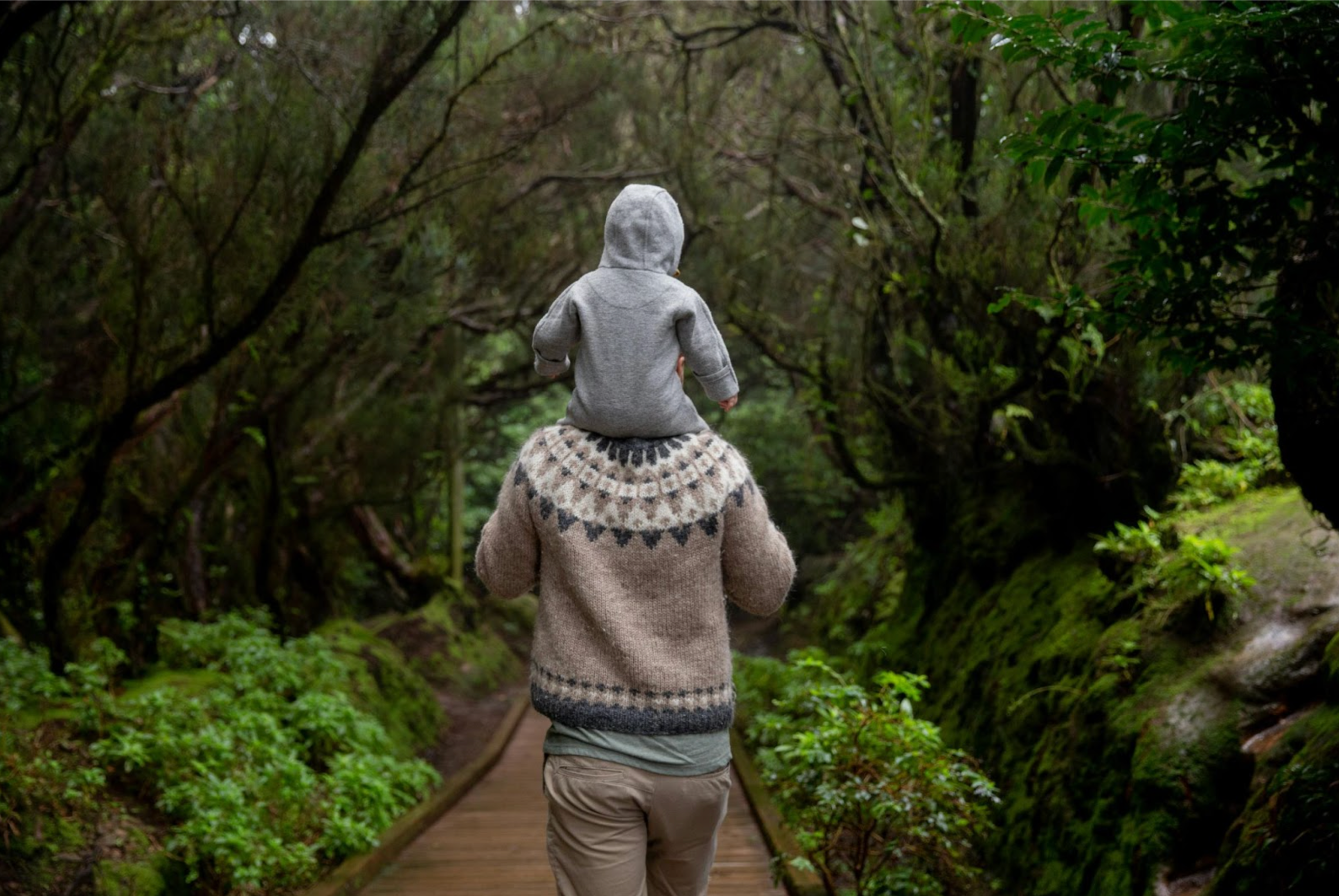
Getting outside with your kids doesn’t have to be complicated, but it does take preparation. With the right knowledge and a well-stocked backpack, you can explore with confidence, knowing you’re ready for whatever comes your way.
Plan ahead, pack your bag, and get out there – safely!